
Machines in factories work every day. Pumps move water, oil, and chemicals from one place to another. But even a small leak can stop the whole system.
In many cases, leakage happens because the mechanical seal is not installed properly.
You may have just bought a single spring mechanical seal and now you want to install it in your pump. But if the installation is not done the right way, the seal may leak or fail very quickly.
That is why proper single spring mechanical seal installation is very important.
In this blog, Single Spring Mechanical Seal Installation Guide, we will show you the simple steps to install a single spring mechanical seal. You will also learn what to check before installation and how to avoid common mistakes.
By the end of this guide, you will clearly know how to complete single spring mechanical seal installation safely and correctly.
What is a single spring mechanical seal and how does it work?
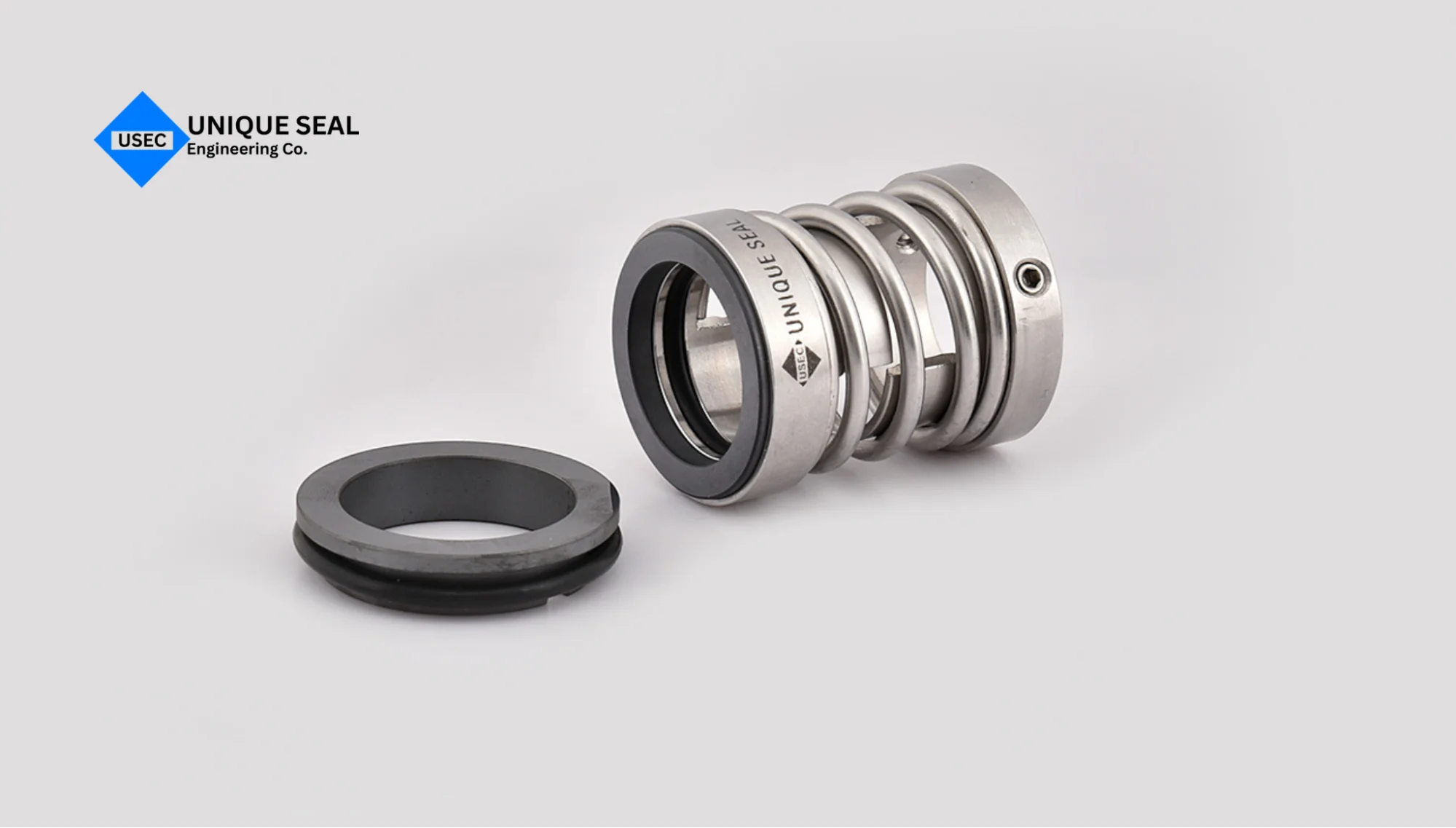
Before starting the single spring mechanical seal installation, it is important to know what this seal is and how it works.
A single spring mechanical seal is a sealing device used in pumps and rotating machines. Its main job is to stop liquid from leaking out of the pump while the shaft is rotating.
Inside a pump, the shaft keeps moving during operation. Because of this movement, a small gap is created between the shaft and the pump housing. If there is no proper seal, water, oil, or chemicals can easily leak from this gap.
This is where a single spring mechanical seal plays an important role.
It has two main seal faces. One face rotates with the pump shaft, and the other face stays fixed inside the pump. These two faces press tightly against each other and create a strong seal that prevents leakage.
The spring inside the seal keeps pressure on the seal faces. This pressure helps maintain proper contact between the faces even when the pump is running.
Because of its simple design and reliable sealing, single spring mechanical seals are widely used in many pumps and industrial machines. Understanding this basic working principle also helps make the single spring mechanical seal installation easier and more accurate.
Where single spring mechanical seals are commonly used

Single spring mechanical seals are used in many industries where pumps and rotating machines move liquids. These seals help stop leakage and keep the system running safely and smoothly. Because of their simple design and reliable performance, they are widely used in different types of equipment.
Water pumping systems
Single spring mechanical seals are commonly used in water pumps. These pumps are used in homes, industries, farms, and water treatment plants. The seal helps prevent water from leaking out while the pump shaft is rotating.
Chemical processing plants
In chemical plants, many pumps move different types of chemicals through pipelines. Single spring mechanical seals help control leakage and protect the equipment. They are designed to handle different liquids used in chemical processing.
Oil and petrochemical industry
The oil and petrochemical industry also uses many pumps to move oil, fuel, and other fluids. Single spring mechanical seals are used in these pumps to maintain proper sealing and support smooth operation.
Food and beverage processing equipment
Pumps are also used in food and beverage processing to move liquids like milk, juice, and other products. Single spring mechanical seals help keep the system sealed and reduce the risk of contamination during processing.
Step-by-step single spring mechanical seal installation process
Proper single spring mechanical seal installation is important to prevent leakage and protect the pump. If the seal is installed carefully, the pump can run smoothly for a long time. Follow these simple steps to install the seal correctly.
Step 1: Shut down and isolate the pump
First, turn off the pump completely. Make sure the power supply is disconnected so the pump cannot start accidentally. This step is important for safety before starting the installation work.
Step 2: Clean the shaft and seal chamber
Check the pump shaft and the seal chamber. Remove dirt, dust, old seal parts, and any oil or rust. A clean surface helps the seal fit properly and prevents damage during installation.
Step 3: Install the stationary seal face
Place the stationary seal face carefully into the seal housing. Make sure it sits flat and straight in its position. Do not touch the seal face with dirty hands because dust or scratches can affect the sealing.
Step 4: Mount the rotary seal assembly on the shaft
Now slide the rotary part of the seal onto the pump shaft. Move it slowly and gently so the seal faces do not get damaged. The rotary face will rotate together with the shaft when the pump runs.
Step 5: Position the spring and seal components properly
After placing the rotary part, check the spring and other seal components. Make sure they are in the correct position. The spring should be aligned properly so it can apply pressure on the seal faces.
Step 6: Secure the seal with set screws
Tighten the set screws to fix the seal on the shaft. Do not tighten them too much. Just make sure the seal is secure and does not move from its position.
Step 7: Reassemble the pump components
Once the seal is installed, reassemble the pump parts carefully. Make sure everything is fitted properly before closing the pump.
Step 8: Start the pump and check for leakage
Finally, start the pump slowly. Observe the seal area and check if there is any leakage. If everything is installed correctly, the pump should run smoothly without leaks.
Key components of a single spring mechanical seal
To understand single spring mechanical seal installation, it is also important to know the main parts of the seal. Each component has a specific role in stopping leakage and helping the pump run smoothly.
Rotary seal face
The rotary seal face is the part that moves with the pump shaft. When the shaft rotates, this seal face also rotates with it. It stays in contact with the stationary seal face and helps create a tight seal. This contact between the two faces helps prevent liquid from leaking out of the pump.
Stationary seal face
The stationary seal face is fixed inside the seal housing. Unlike the rotary face, this part does not move. It stays in one position while the rotary face rotates against it. The smooth contact between these two faces creates the main sealing point in the mechanical seal.
Experiencing Frequent Mechanical Seal Failures?
Recurrent seal leakage causes costly unplanned downtime, batch losses, and shaft fretting. Unique Seal Engineering Co. analyzes your exact operating parameters (shaft speed, fluid media, temperature, pressure) and provides custom face pairings and engineered seal recommendations.
Spring mechanism
The spring is one of the most important parts of a single spring mechanical seal. Its job is to push the seal faces together. This pressure keeps the rotary and stationary faces in close contact. Even when the pump is running, the spring helps maintain proper sealing.
Secondary sealing elements (O-rings or gaskets)
O-rings or gaskets are used as secondary sealing elements. They help seal small gaps between different parts of the mechanical seal. These components prevent leakage from areas other than the main seal faces and also help keep the seal parts properly positioned.
Tools required for single spring mechanical seal installation
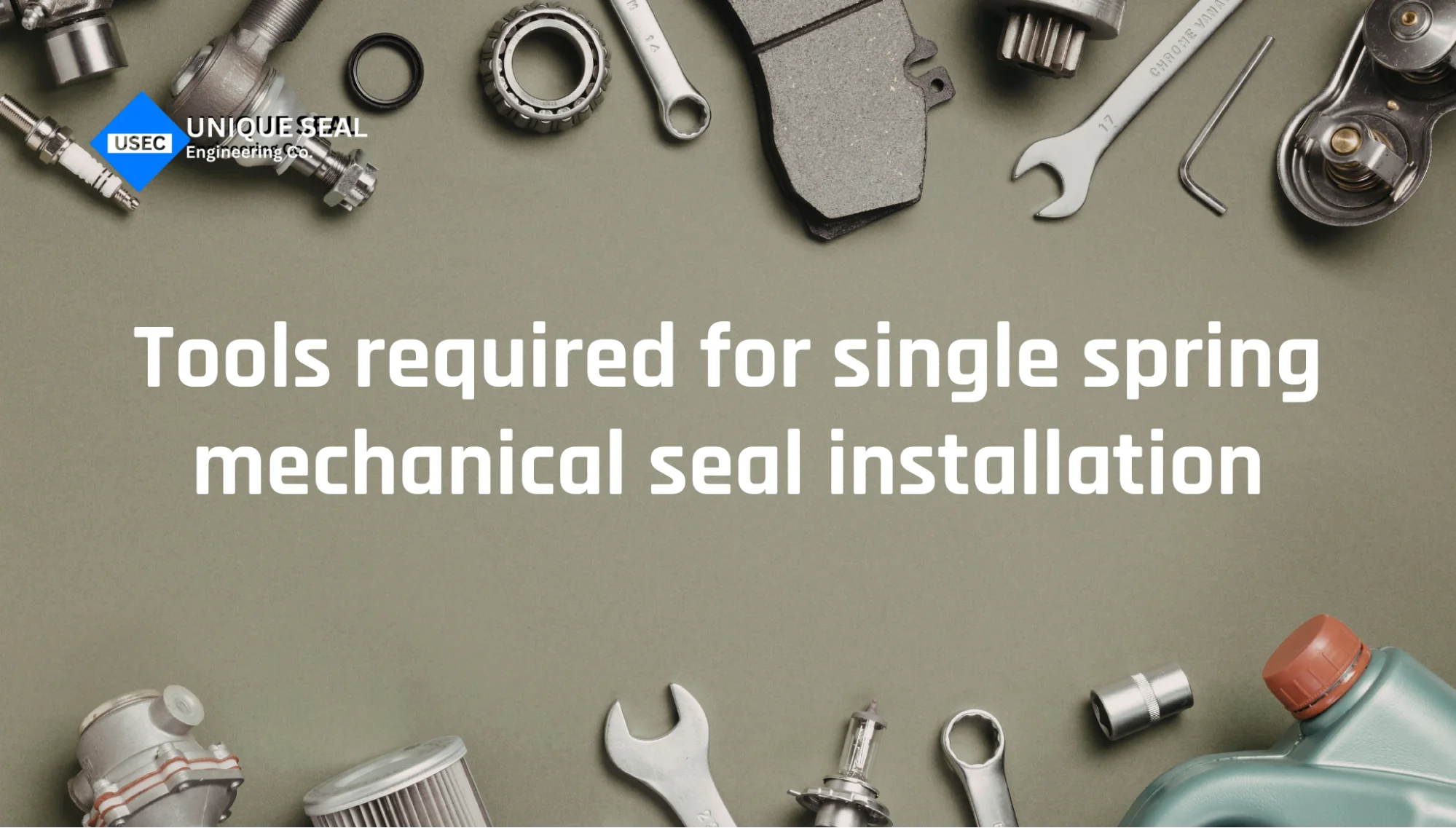
Before starting the single spring mechanical seal installation, it is important to keep the required tools ready. Using the right tools makes the installation easier and helps prevent damage to the seal or pump parts.
Here are some common tools used during installation.
Wrench or spanner
A wrench or spanner is used to open and tighten pump bolts and nuts. It helps you remove pump parts and assemble them again after installing the seal.
Screwdriver
A screwdriver is useful for tightening or loosening small screws, especially the set screws that hold the seal on the shaft.
Allen key (hex key)
Many mechanical seals use set screws that require an Allen key. This tool helps secure the seal properly on the pump shaft.
Clean cloth or soft tissue
A clean cloth is used to wipe the shaft, seal faces, and seal chamber. Keeping the area clean is very important because dirt or dust can damage the seal faces.
Lubricant or light oil
A small amount of lubricant or light oil helps the seal parts slide easily during installation. It also helps prevent damage to O-rings.
Safety gloves
Safety gloves protect your hands while handling seal parts and pump components.
Keeping these tools ready before starting the single spring mechanical seal installation will make the process smoother and safer.
Important checks before installing a single spring mechanical seal

Before starting the single spring mechanical seal installation, it is important to do a few basic checks. These simple checks help avoid installation problems and make sure the seal works properly after the pump starts.
Inspect the pump shaft condition
First, check the condition of the pump shaft. The shaft surface should be smooth and free from scratches, rust, or damage. If the shaft is rough or worn out, the seal may not fit properly and leakage can happen.
Check seal chamber cleanliness
Make sure the seal chamber is clean before installing the seal. Remove dirt, dust, old seal pieces, or oil from the area. A clean seal chamber helps the seal sit properly and prevents damage to the seal faces.
Verify correct seal size and materials
Always confirm that the mechanical seal size matches the pump shaft size and housing. Using the wrong seal size can cause installation problems and leakage. Also check that the seal materials are suitable for the liquid used in the pump.
Ensure proper lubrication for O-rings
Before installing the seal, apply a small amount of lubricant or light oil on the O-rings. This helps the seal slide easily during installation and prevents damage to the rubber parts. Proper lubrication also helps the O-rings create a better seal.
Common mistakes to avoid during single spring mechanical seal installation

During single spring mechanical seal installation, small mistakes can cause leakage or early seal failure. Many seal problems happen because the installation is not done carefully. By avoiding these common mistakes, you can help the seal work properly and last longer.
Installing the seal without cleaning the shaft
One common mistake is installing the seal on a dirty shaft. Dust, rust, or old oil on the shaft can damage the seal faces and O-rings. Always clean the shaft properly before starting the installation.
Incorrect O-ring lubrication
O-rings need a small amount of lubricant during installation. If they are installed dry, they can twist or get damaged. At the same time, using too much oil is also not good. Apply only a light layer of lubricant so the O-rings can slide smoothly into place.
Improper alignment of seal faces
The rotary and stationary seal faces must sit flat and properly aligned. If they are not aligned correctly, the seal may not close properly. This can lead to leakage when the pump starts running.
Over-tightening set screws
Set screws are used to secure the seal on the shaft. However, tightening them too much can damage the seal parts or the shaft. Tighten the screws carefully so the seal stays in place without putting too much pressure on the components.
Keep your pump running smoothly with the right seal installation
Proper single spring mechanical seal installation is very important for the smooth working of a pump. When the seal is installed correctly, it helps stop leakage and keeps the pump running without problems.
In this guide, we explained what a single spring mechanical seal is and how it works. We also shared the simple steps for installation, the tools you may need, and the important checks you should do before starting the work. Along with this, we discussed some common mistakes that should be avoided during installation.
When the seal is installed carefully and all parts are placed correctly, the pump can work safely and the seal can last for a long time.
If you need reliable sealing solutions for your pumps, Unique Seal provides high-quality mechanical seals for many industrial applications. Contact our team today to get expert support and a free quote for your sealing requirements.
If you want the right sealing solution for your system, get a free quote from Unique Seal today and find the best mechanical seal for your needs.
Need a High-Reliability Replacement Mechanical Seal?
Unique Seal Engineering Co. manufactures Cartridge, Metal Bellows, PTFE Bellows, and Multi-Spring Seals with 100% optical flat inspection under monochromatic light at our Mohan Nagar, Ghaziabad facility. Get fast OEM-grade delivery across India and worldwide.
