Have you ever stored food in the wrong container?
It may seem fine at first.
But after some time, it may start leaking or fail to keep the food fresh.
Why does this happen?
Is the container really the right choice?
Or was it simply not designed for that purpose?
The same thing can happen when choosing a sealing solution.
Mechanical seals and oil seals are two common sealing solutions used in industrial equipment. Each one has its own design, advantages, and limitations. Understanding how they differ makes it easier to select the right option.
Let's understand the key differences between a mechanical seal and oil seal to help you choose the right sealing solution for your application.
What is a mechanical seal?
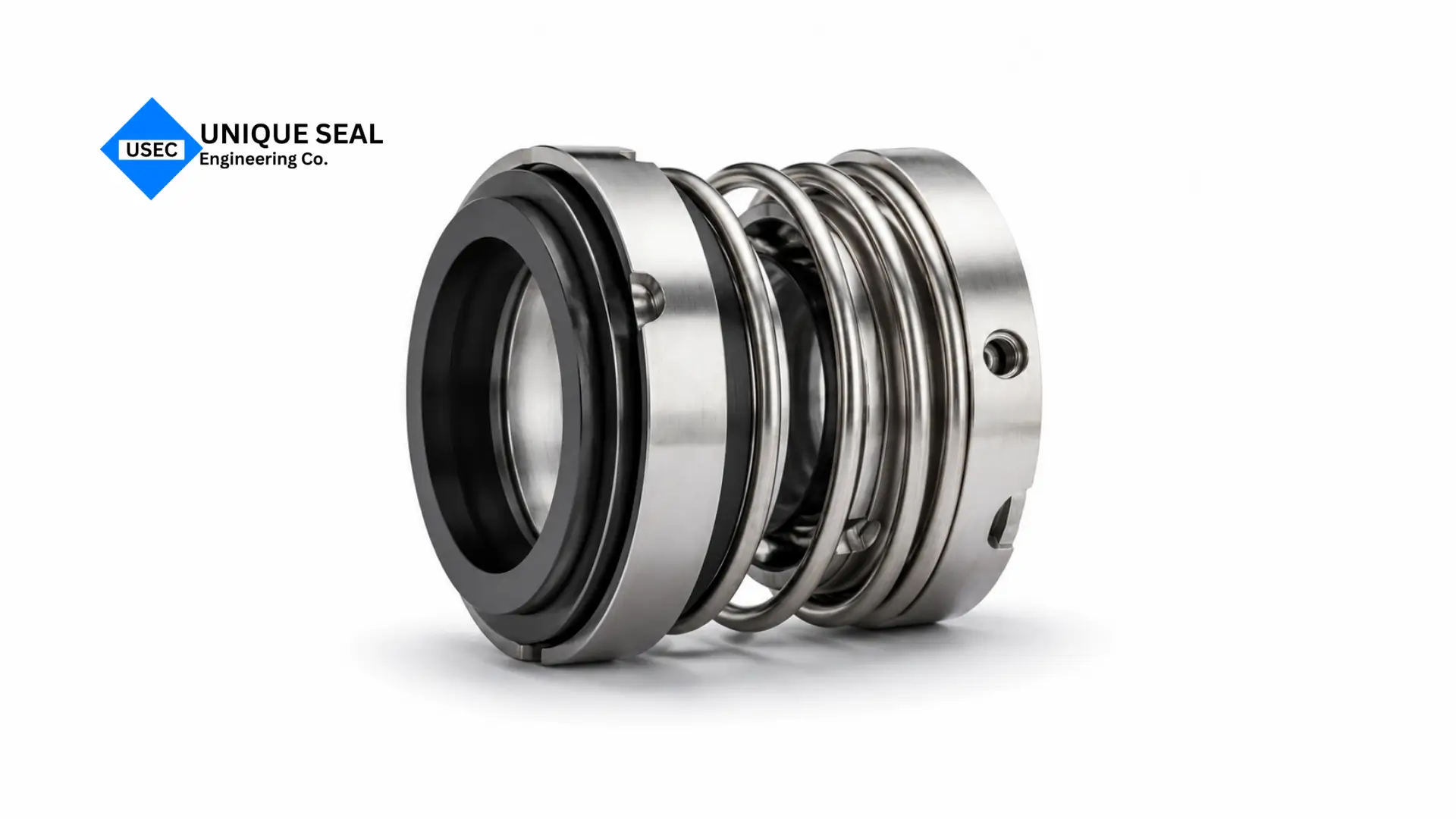
A small amount of leakage can lead to bigger problems if it is not controlled. A mechanical seal helps prevent this by creating a secure seal inside the equipment. It is commonly used in pumps where reliable sealing is important.
It creates a tight seal between the moving and fixed parts of the equipment. This helps keep the fluid inside the system and allows the equipment to work properly. That’s why it is widely used in many pumps and industrial machines.
Examples of applications
-
Water pumps: To reduce fluid leakage during operation.
-
Chemical pumps: To handle demanding sealing applications.
-
Industrial mixers: To provide reliable sealing in rotating equipment.
What is an oil seal?
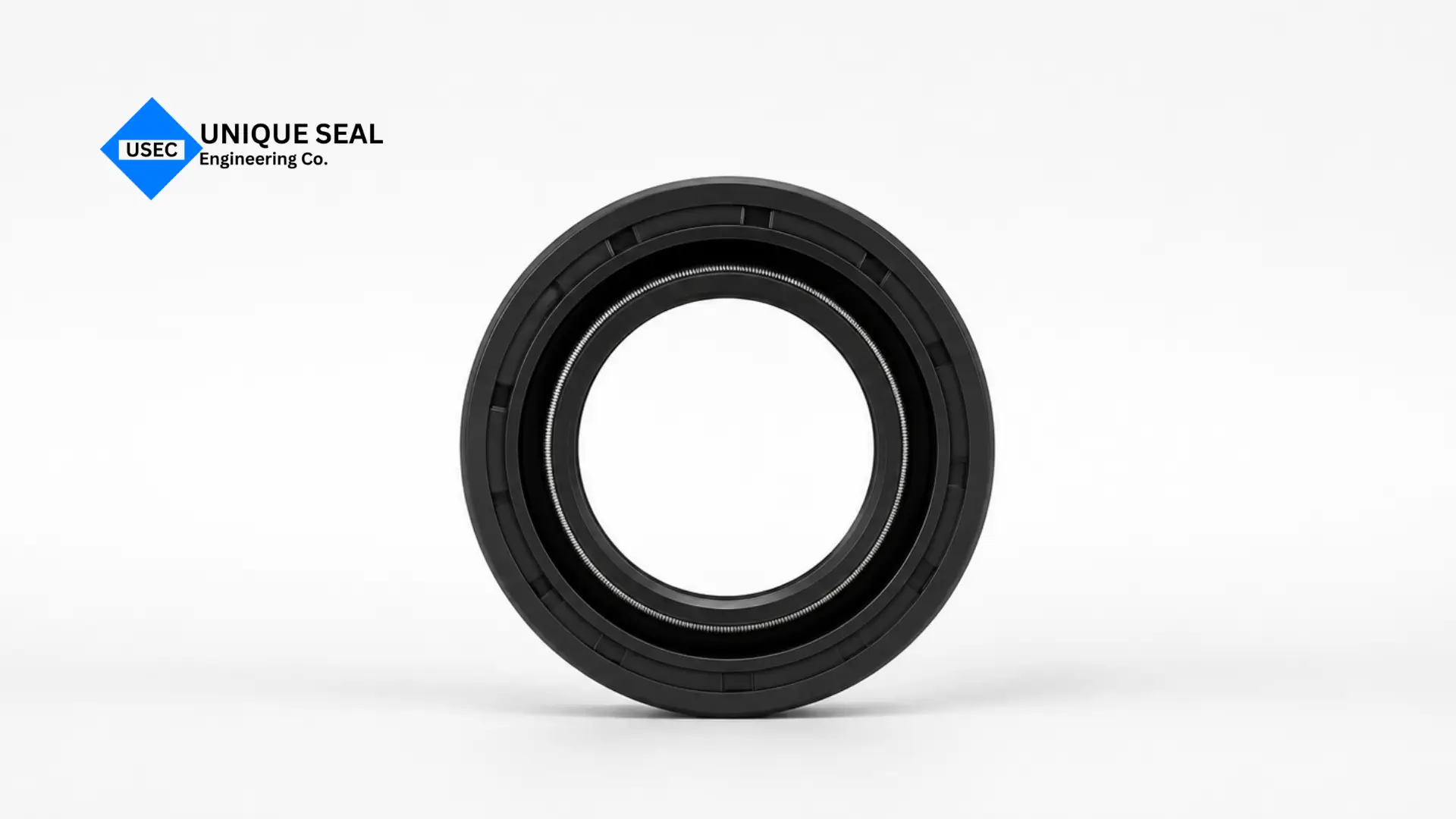
An oil seal is used to keep oil or grease inside the equipment. At the same time, it also helps keep dust, dirt, and water out of the machine. This helps protect the moving parts and supports smooth operation.
Because of its simple design, an oil seal is used in many types of rotating equipment. It is commonly found in motors, pumps, gearboxes, and other industrial machines.
Examples of applications
-
Electric motors: To keep oil inside and protect internal parts.
-
Gearboxes: To prevent oil leakage during operation.
-
Pumps: To help retain oil or grease around the rotating shaft.
Mechanical seal vs oil seal at a glance
At first, a mechanical seal and an oil seal may seem similar because both help control leakage. But they differ in design, working method, and applications. The comparison below highlights the main differences between them.
|
Comparison point |
Mechanical seal |
Oil seal |
|
Construction |
Uses rotating and stationary sealing faces. |
Made with a flexible sealing lip. |
|
Main purpose |
Controls fluid leakage in pumps and rotating equipment. |
Keeps oil or grease inside the equipment and keeps dust out. |
|
Sealing performance |
Provides better leakage control. |
Suitable for basic sealing applications. |
|
Working conditions |
Suitable for high pressure and high temperature. |
Best for low to moderate pressure and temperature. |
|
Installation |
Requires careful installation and proper alignment. |
Easy and quick to install. |
|
Maintenance |
Needs less maintenance when installed correctly. |
May need replacement after wear. |
|
Service life |
Usually lasts longer under the right operating conditions. |
Depends on operating and shaft conditions. |
|
Purchase cost |
Higher purchase cost. |
Lower purchase cost. |
|
Common applications
Engineering Reliability Support
Experiencing Frequent Mechanical Seal Failures?Recurrent seal leakage causes costly unplanned downtime, batch losses, and shaft fretting. Unique Seal Engineering Co. analyzes your exact operating parameters (shaft speed, fluid media, temperature, pressure) and provides custom face pairings and engineered seal recommendations. |
Pumps, mixers, compressors, and industrial equipment. |
Motors, gearboxes, pumps, wheel hubs, and rotating shafts. |
Advantages & disadvantages of mechanical seal
A mechanical seal is used in many pumps and industrial machines. Knowing both its strengths and its limitations makes it easier to understand its overall performance.
Advantages of mechanical seal
From better sealing performance to longer service life, a mechanical seal offers many practical benefits. Let's look at some of its key advantages.
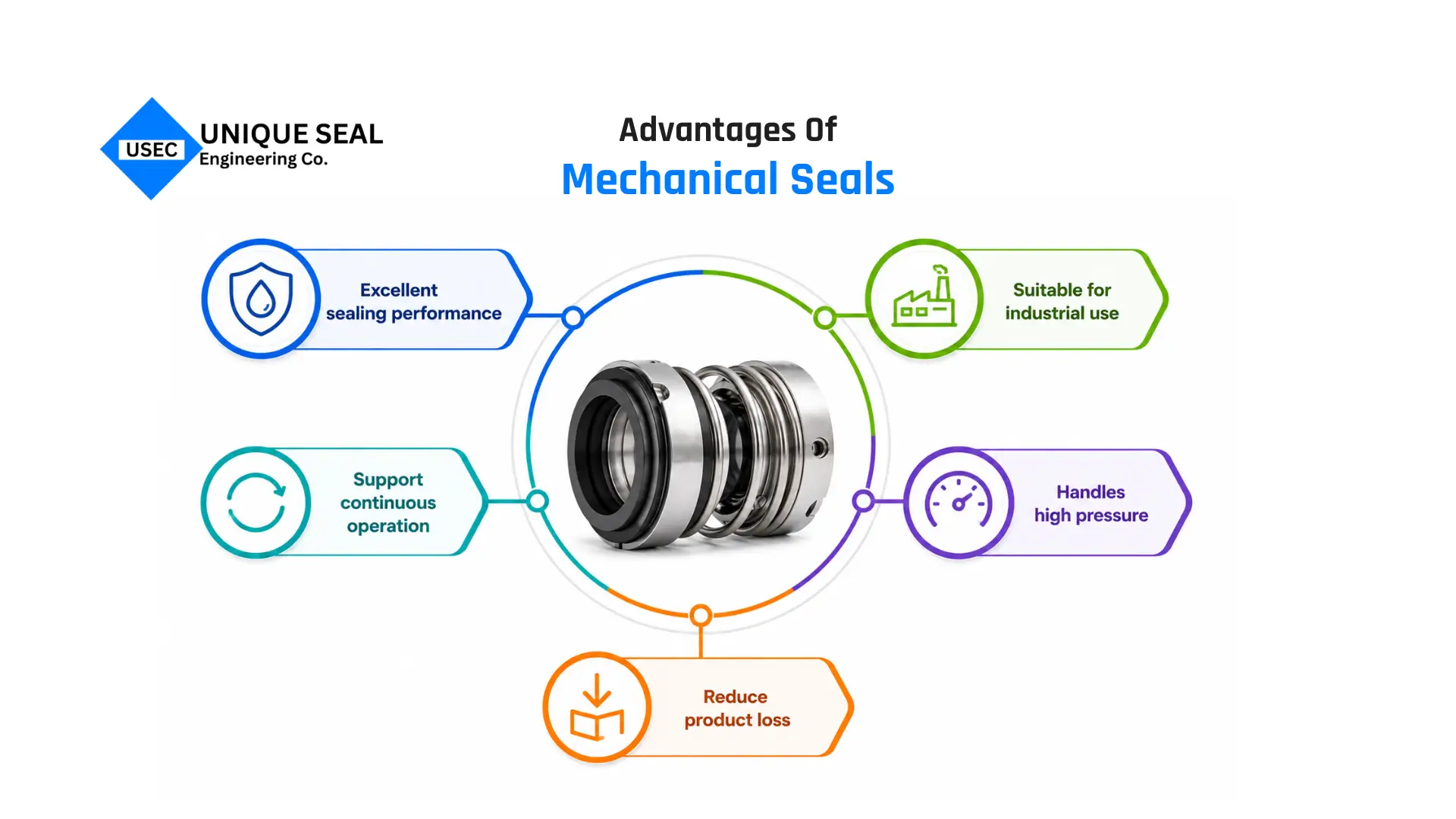
Excellent sealing performance
A mechanical seal is designed to provide a strong and secure seal. This helps improve sealing performance and keeps the equipment working properly.
Suitable for industrial use
Mechanical seals are used in many industries because they provide effective sealing. They are commonly found in pumps, compressors, mixers, and other industrial equipment.
Support continuous operation
A mechanical seal supports continuous equipment operation by providing proper sealing. This helps the equipment keep running smoothly for longer periods.
Handles high pressure
Many industrial applications operate under high pressure. A mechanical seal is built to handle these conditions while maintaining proper sealing.
Reduce product loss
Fluid leakage can lead to unnecessary product loss during operation. A mechanical seal helps keep the fluid inside the system and reduces this loss.
Disadvantages of mechanical seal
The right choice is not only about the advantages. Looking at a few limitations can also help you make a better decision.
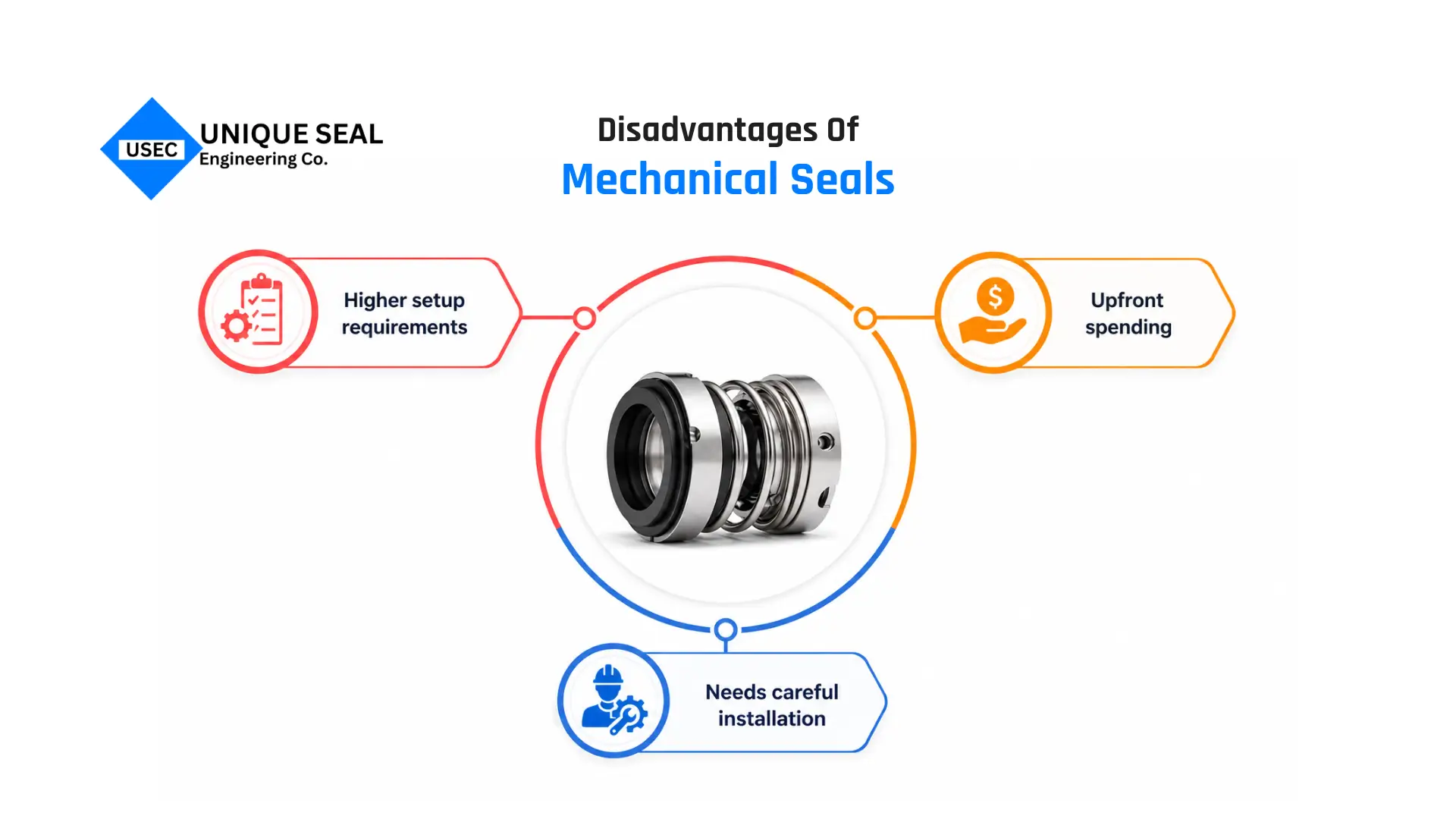
Higher setup requirements
A mechanical seal may need more setup than some other sealing solutions. Taking time to prepare the installation properly can improve its performance.
Upfront spending
Buying a mechanical seal costs more at the beginning. But it gives better sealing in many industrial applications.
Needs careful installation
A mechanical seal should be installed carefully. A small mistake during installation can affect its sealing performance.
Advantages & disadvantages of oil seal
An oil seal is a simple and cost-effective sealing solution for many applications. Before using it, it is useful to understand both its advantages and its limitations.
Advantages of oil seal
It is widely used because it offers a good balance of performance, simplicity, and cost. Here are some of them.
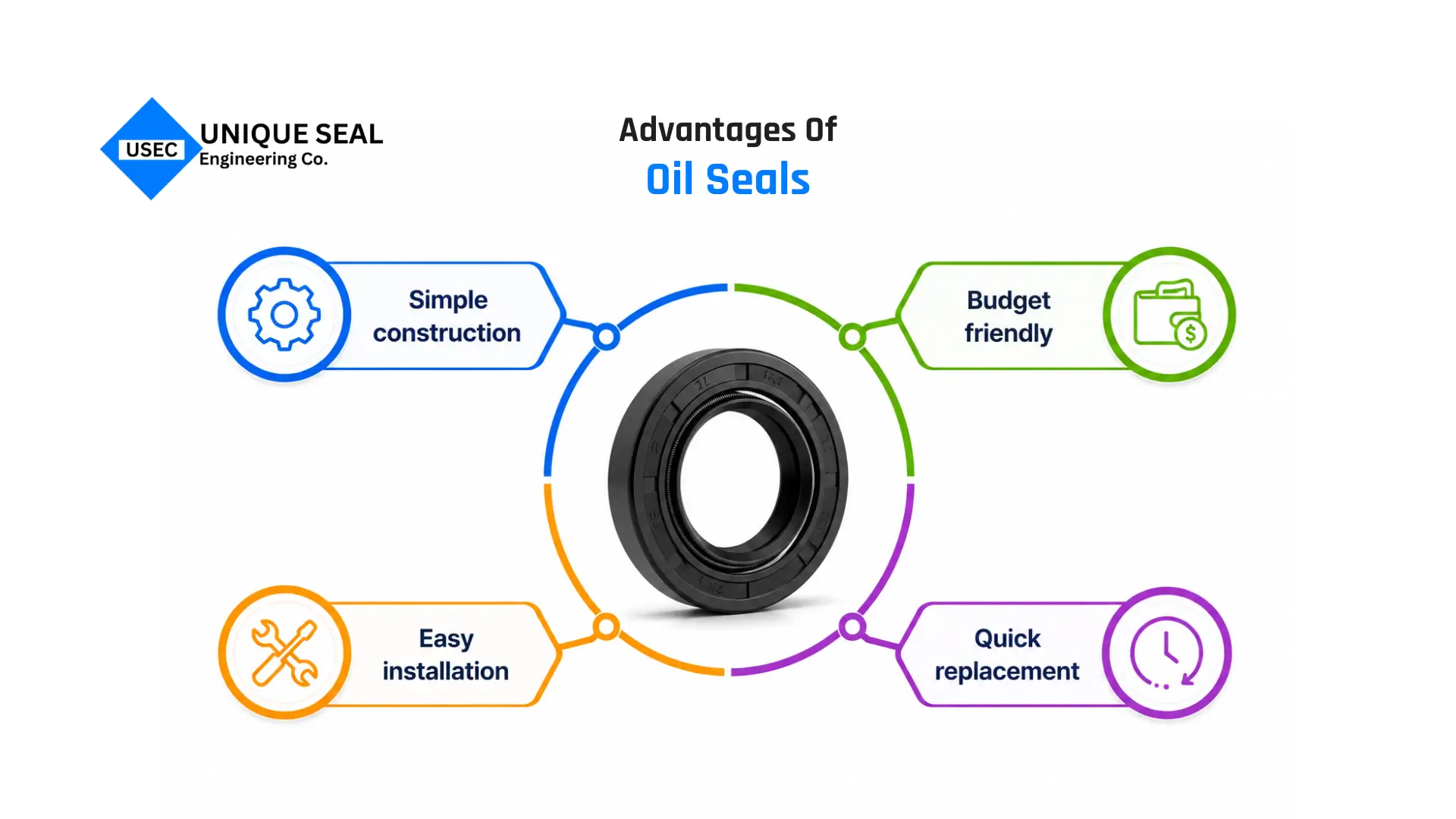
Simple construction
An oil seal is made with a simple design. This makes it a popular choice for many basic sealing applications.
Budget friendly
An oil seal is a good choice when you want a sealing solution at a lower cost. It provides effective sealing for many standard applications without increasing your budget.
Easy installation
Installing an oil seal is simple and quick. In many applications, it can be fitted without much effort. This helps reduce installation time.
Quick replacement
An oil seal is easy to remove and replace when needed. This makes maintenance work faster and easier. It also helps reduce unnecessary delays.
Disadvantages of oil seal
An oil seal is a good sealing solution, but it also has some limitations. Here are some of them.
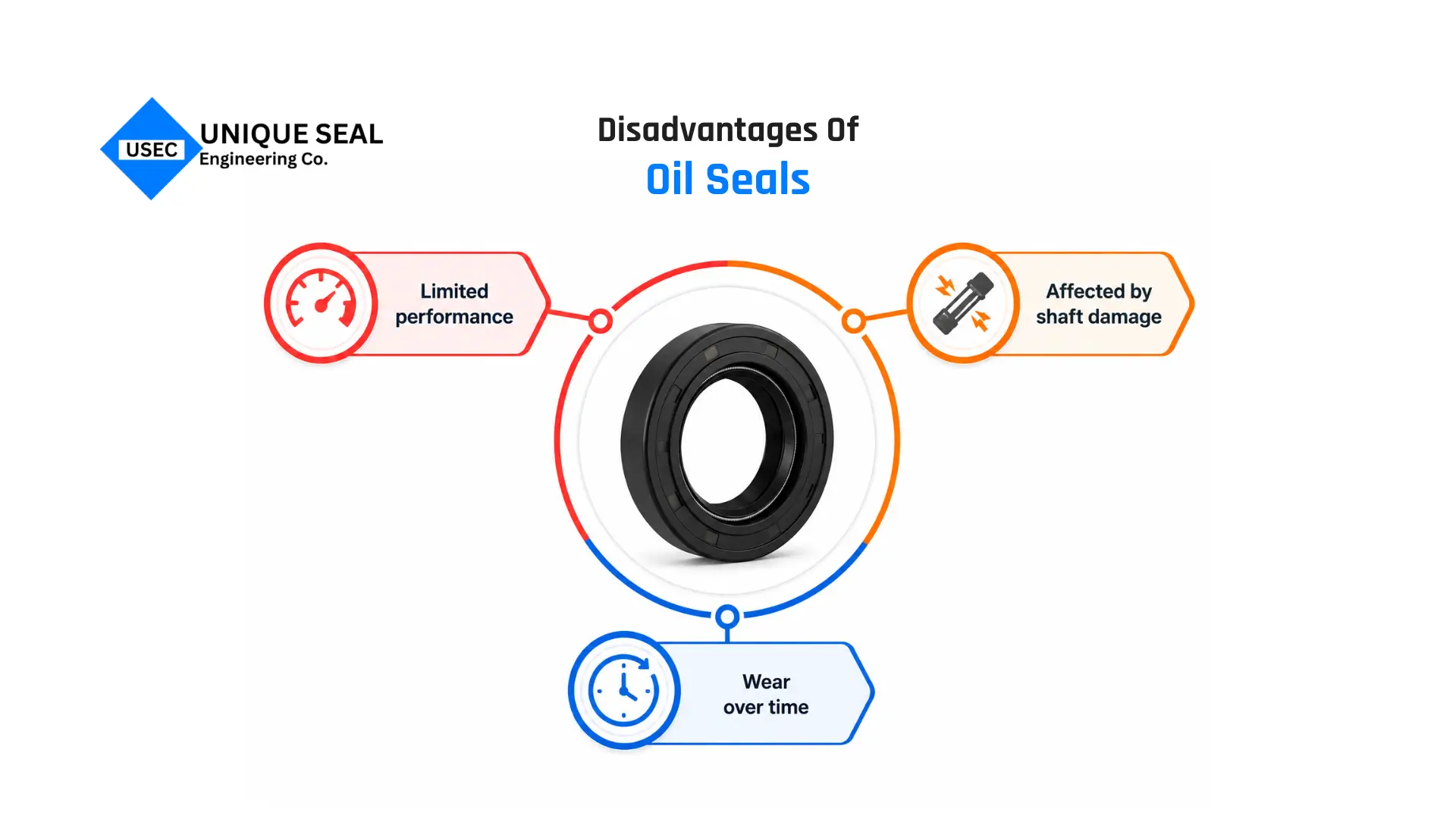
Limited performance
An oil seal is not the right choice for every application. It works best in basic operating conditions. In demanding applications, another seal may be a better choice.
Affected by shaft damage
The condition of the shaft can affect the performance of an oil seal. A damaged shaft may reduce sealing performance. It can also lead to leakage.
Wear over time
An oil seal can wear out after long use. When this happens, it may start leaking oil or grease. A new seal can solve the problem.
Things to consider before choosing a seal for your pump
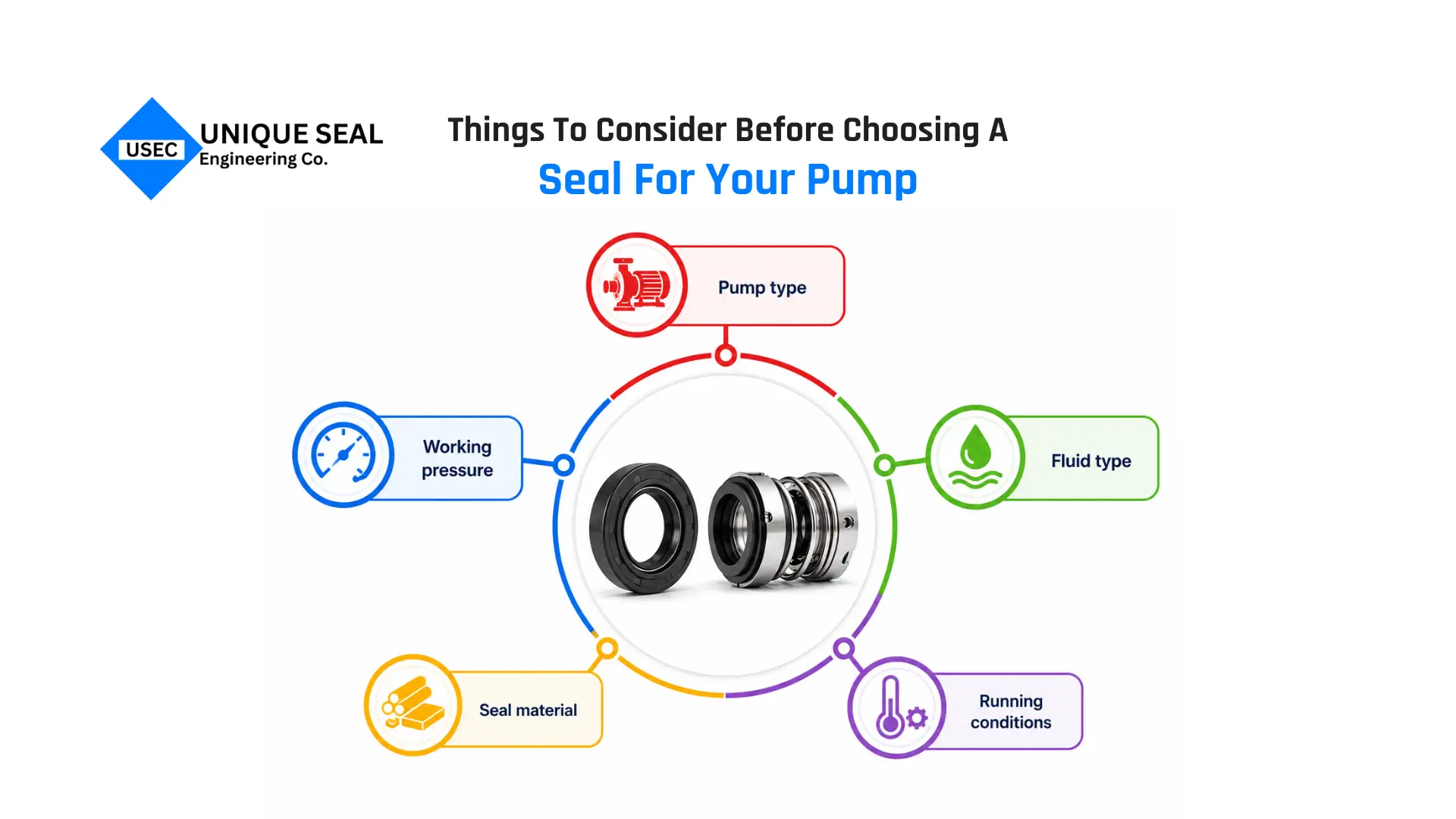
Every pump has different sealing needs. Before choosing a seal, it is important to look at a few key points. This can help you make the right choice for your application.
Pump type
The type of pump is one of the first things to consider before choosing a seal. Different pumps have different sealing needs, so the seal should match your pump. This helps improve sealing and keeps the pump running properly.
Working pressure
The seal should match the working pressure of your pump. Using the wrong seal can affect sealing and increase leakage. Always choose a seal that is suitable for the pump pressure.
Fluid type
The type of fluid inside the pump is also important. Different fluids may need different sealing materials. Choosing the right seal helps prevent leakage and supports better performance.
Seal material
Seals are made from many types of materials. Choosing the right material helps the seal work properly with your pump. It can also reduce sealing problems.
Running conditions
Check how your pump works every day. Running conditions like speed, load, and working hours can affect the seal. A seal that matches these conditions can last longer and work better.
Looking for the right sealing solution?
Every sealing application is different. The best option depends on factors like pump type, fluid, pressure, temperature, and running conditions. Looking at these points before making a decision can help you get better sealing performance.
Both mechanical seals and oil seals have their own benefits. The right option depends on how and where the equipment is used. Understanding your application first makes it easier to find a sealing solution that fits your needs.
 Unique Seal Engineering Co. manufactures high-quality oil seal and mechanical seal solutions for reliable equipment performance.
Finding the right seal is not only about controlling leakage. It is also about improving equipment performance, reducing maintenance, and supporting long-term operation. That is why selecting a trusted sealing partner is just as important as selecting the right seal.
At Unique Seal, we offer a wide range of high-quality mechanical seal and other sealing solutions for different industrial applications. Our team can help you find the right product based on your equipment and sealing requirements.
Talk to our team and get your free quote today.
Frequently asked questions about mechanical seal and oil seal
What is the main difference between a mechanical seal and an oil seal?
A mechanical seal is mainly used to control fluid leakage in pumps and industrial equipment. An oil seal is designed to keep oil or grease inside the equipment while blocking dust and dirt from entering.
Can an oil seal replace a mechanical seal?
No. An oil seal and a mechanical seal are designed for different purposes. The right choice depends on your equipment and how it is used.
When should an oil seal be replaced?
An oil seal should be replaced if it becomes worn or starts leaking oil or grease. A damaged seal may not provide proper sealing. Replacing it on time helps keep the equipment working properly.
How long does a mechanical seal last?
The service life of a mechanical seal depends on the application and operating conditions. Proper installation and regular maintenance can help it last longer.
Is a mechanical seal more expensive than an oil seal?
Yes, a mechanical seal usually has a higher purchase cost than an oil seal. It is designed for applications where better sealing is needed. In many industrial applications, this can make it a better long-term choice.
Can a damaged shaft affect an oil seal?
Yes, a damaged or worn shaft can affect how an oil seal works. This may reduce its sealing ability and increase the chance of leakage. Repairing the shaft or replacing the seal can help solve the problem.
Do mechanical seals and oil seals need regular maintenance?
Yes, both seals should be checked regularly to make sure they are working properly. Regular maintenance can help identify wear early and reduce the chance of unexpected leakage or equipment problems.
Need a High-Reliability Replacement Mechanical Seal?
Unique Seal Engineering Co. manufactures Cartridge, Metal Bellows, PTFE Bellows, and Multi-Spring Seals with 100% optical flat inspection under monochromatic light at our Mohan Nagar, Ghaziabad facility. Get fast OEM-grade delivery across India and worldwide.
