
Imagine this. A factory stops in the middle of production. Workers are confused. The machine is fine, the pump is fine, but there is a leak everywhere. The reason is not big. It is small. It is the mechanical seal.
Now think about this. Two pumps are installed on the same day. One runs smoothly for years. The other starts leaking in a few months. Same pump, same operator, same process. So what is different? The type of mechanical seal inside.
Most people ignore mechanical seals until something goes wrong. But in reality, this tiny part decides whether your machine will run safely or create expensive breakdowns.
Not all mechanical seals are the same. There are many types, made for different machines, fluids, pressures, and temperatures. Some are built for water, some for chemicals, some for slurry, and some for gas. This is why many industries prefer working with experienced mechanical seal manufacturing companies in India because they understand different industrial applications.
In this blog, we will look at all types of mechanical seals, their design, materials, and uses in real industrial applications. If you want to know how many types of mechanical seals exist and which one is right for your equipment, keep reading.
What is a mechanical seal?

A mechanical seal is a small but very important part used in pumps, mixers, reactors, and many rotating machines. Its main job is to stop liquid or gas from leaking where a rotating shaft goes inside a machine.
In very simple words, a mechanical seal works like a tight wall between the moving shaft and the machine body. One part of the seal stays fixed, and the other part moves with the shaft. These two parts touch lightly and create a seal so that fluid cannot escape.
Mechanical seals are used instead of old-style packing because they leak less, last longer, and need less maintenance. They also protect machine parts like bearings and help equipment run smoothly.
You will see mechanical seals in water pumps, chemical plants, oil refineries, food factories, and many other industries where leakage must be controlled.
Major types of mechanical seals
Mechanical seals are made in different designs because machines work in different conditions. The type of fluid, pressure, temperature, speed, and application decide which seal is best. Below are the main mechanical seal types, explained in simple and practical terms.
Component seals
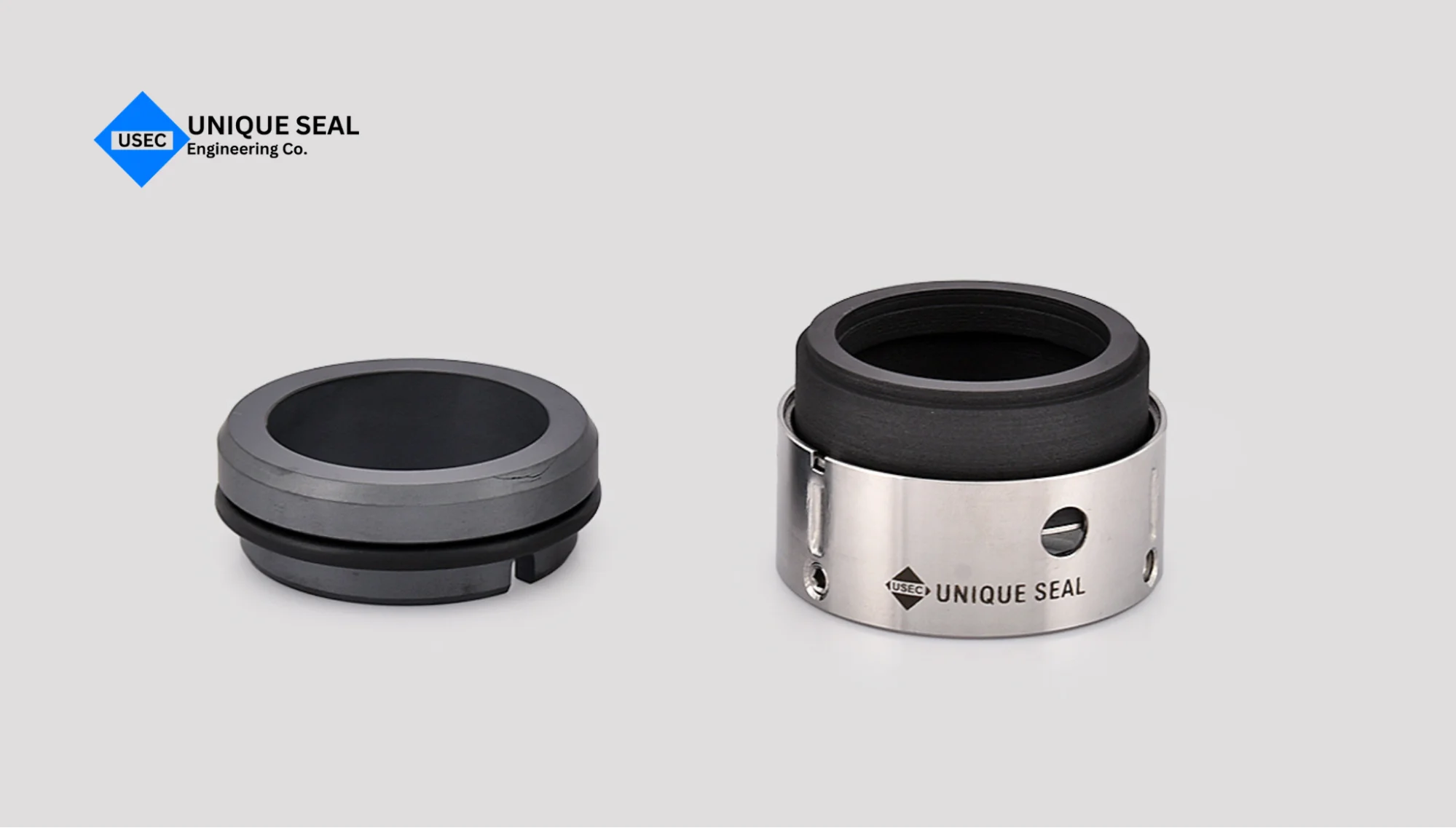
Component seals are basic mechanical seals made of separate parts that are fitted inside the pump one by one. They are simple in design and usually cost less than other seals. These seals are commonly used in water pumps, small industrial pumps, and general applications. They work well, but they need proper installation by a skilled person.
Cartridge seals
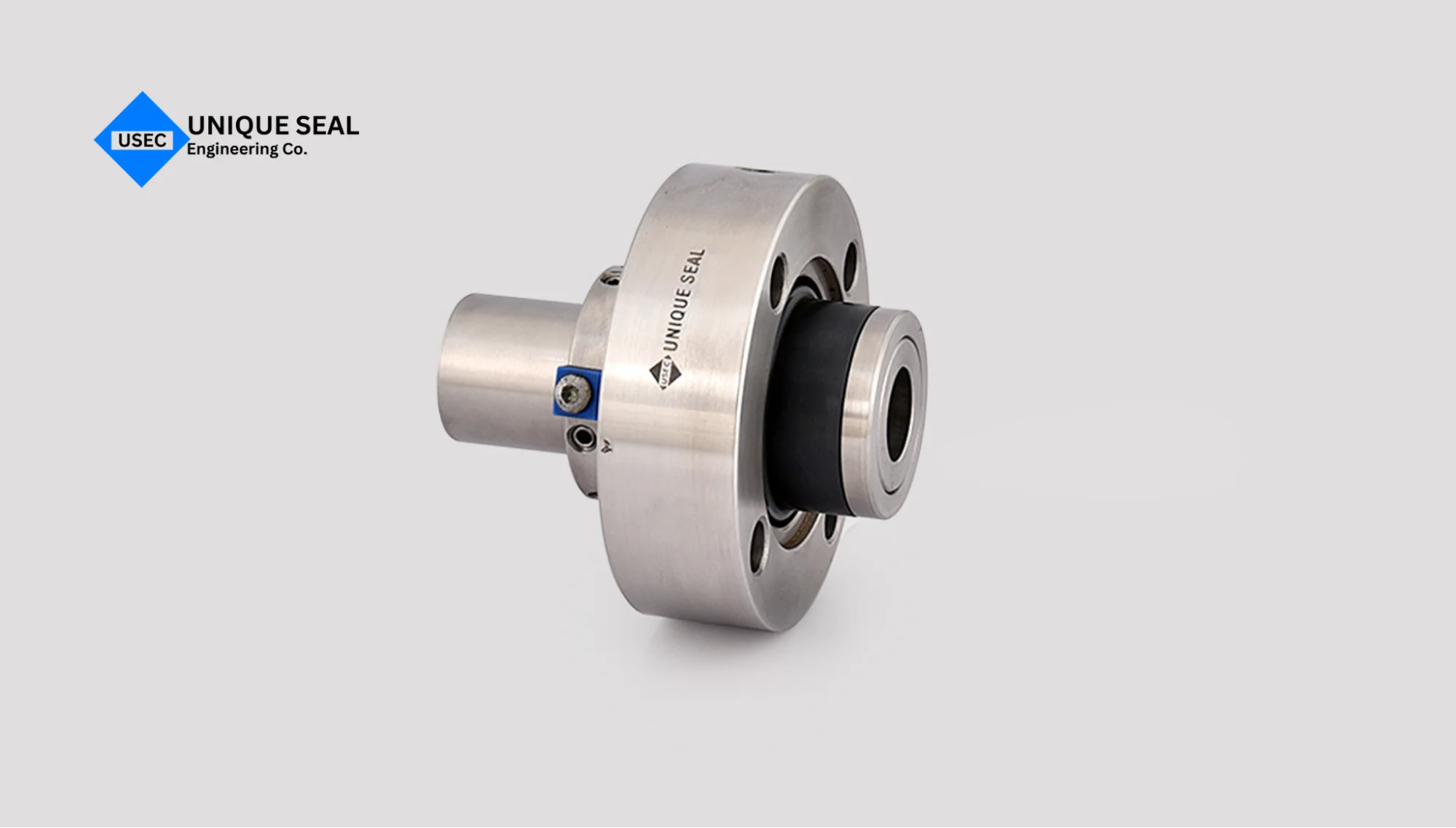
Cartridge seals come as one complete preassembled unit. All parts are already set in the correct position, so installation becomes much easier and safer. These seals reduce human error and save maintenance time. They are widely used in chemical plants, oil refineries, and heavy-duty industrial pumps.
Split seals
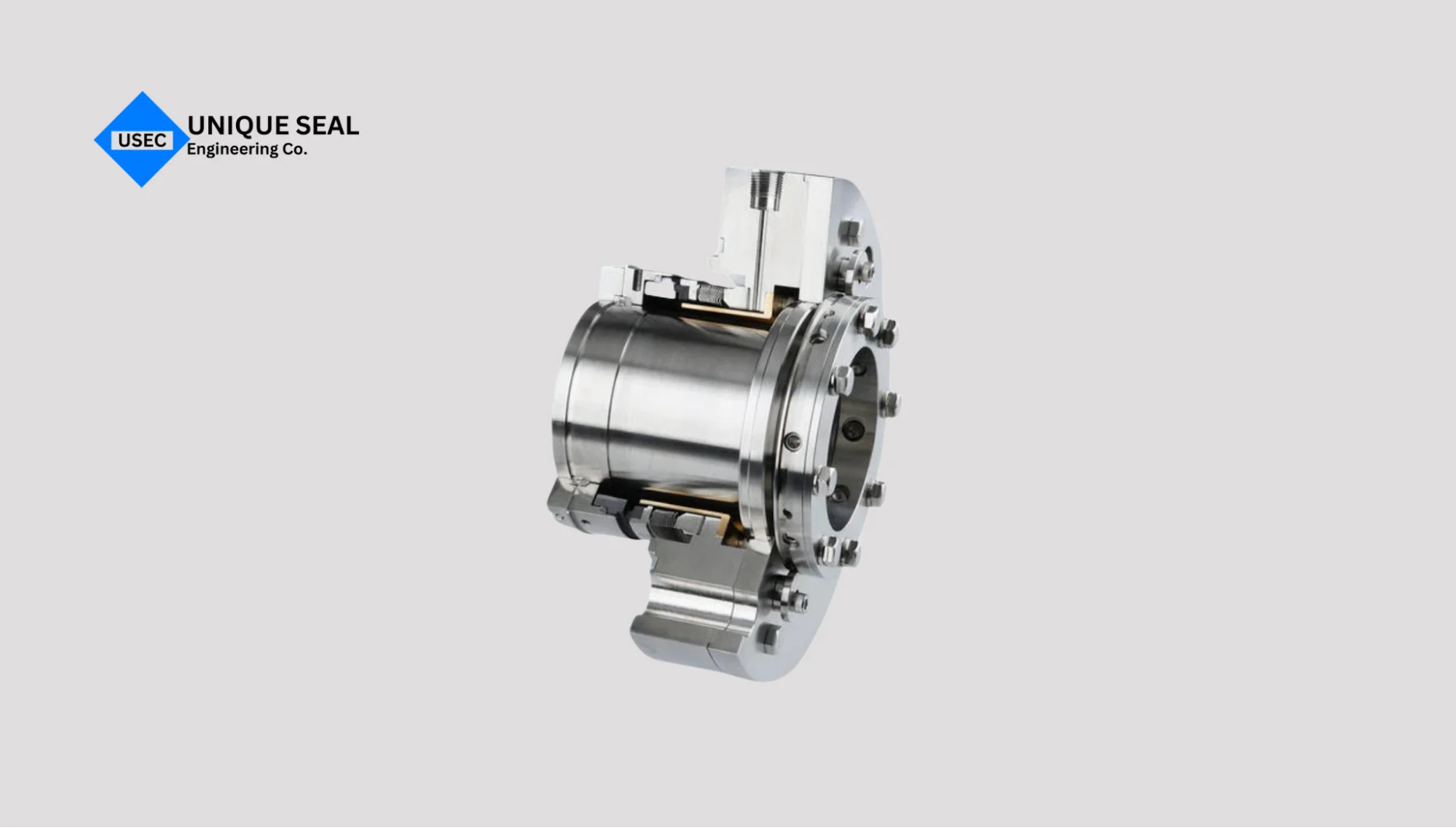
Split seals are made in two halves so they can be installed without removing the shaft or opening the whole machine. This makes maintenance fast and simple. They are mostly used in large pumps, turbines, and critical machines where shutdown time must be very low.
Air seals
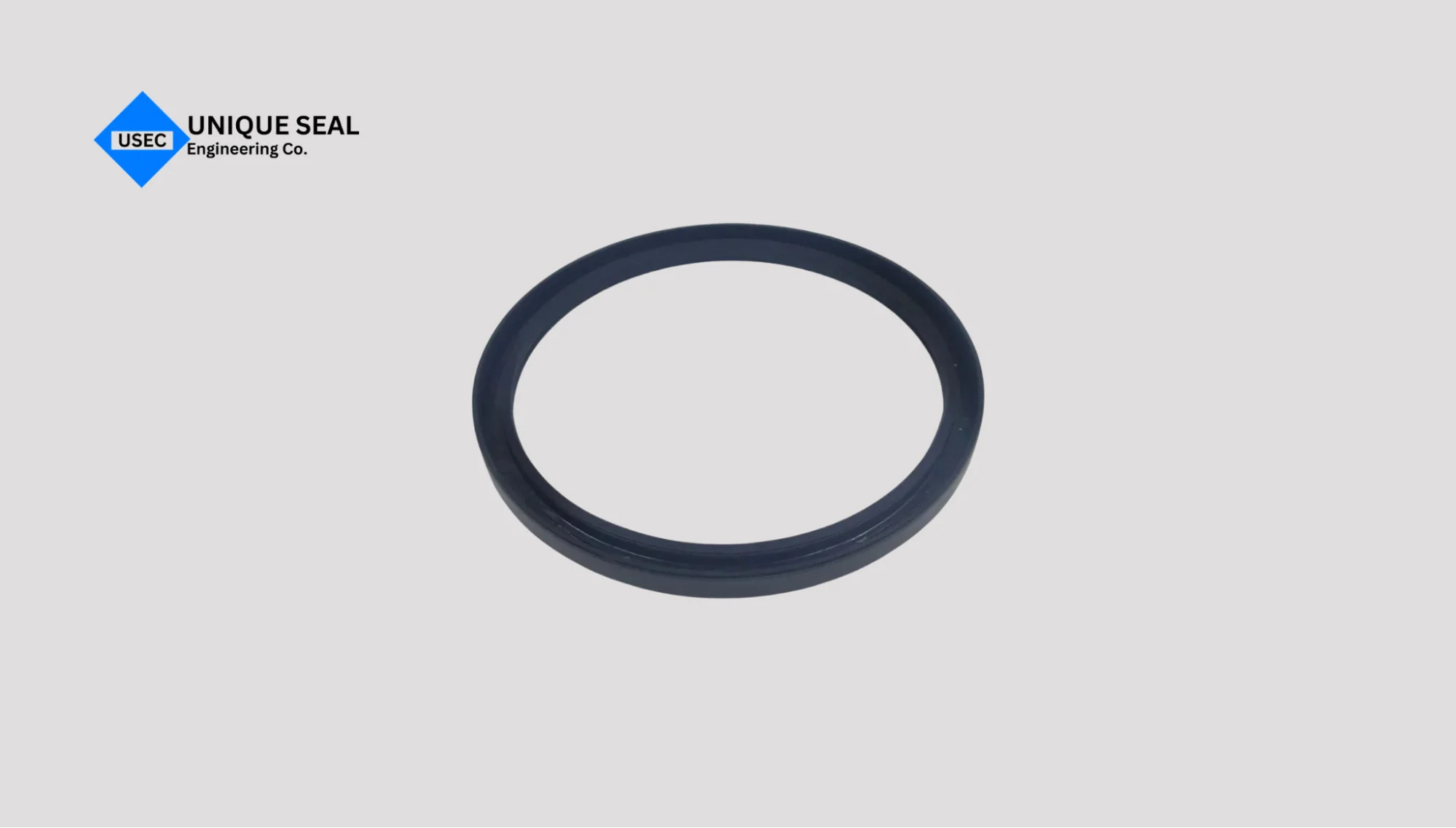
Air seals use clean air instead of liquid to create a sealing barrier around the shaft. Because there is no liquid contact, they are best for clean environments. These seals are commonly used in food processing, pharmaceuticals, and powder handling industries.
Dry gas seals
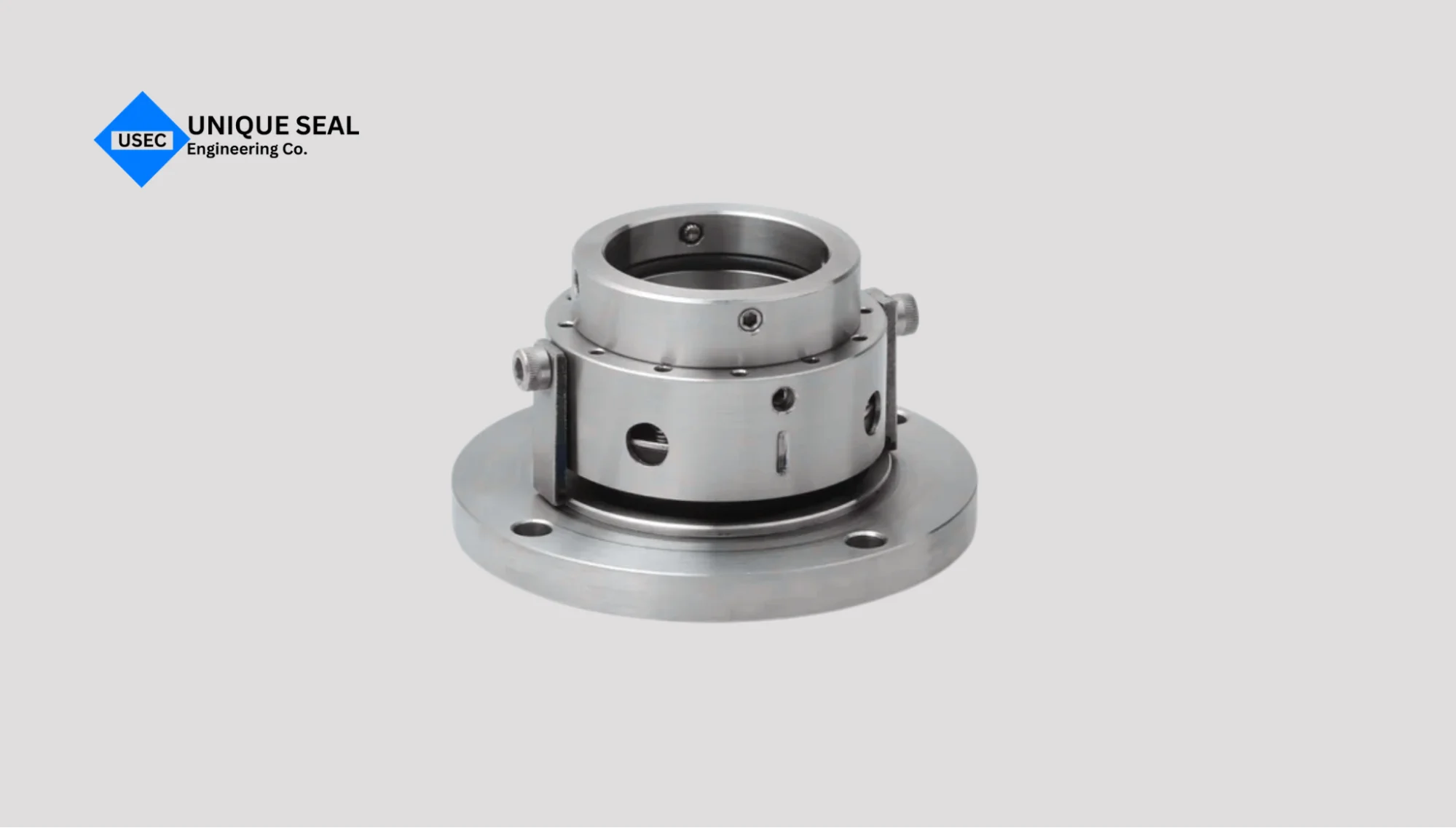
Dry gas seals are specially designed for high-speed compressors and gas systems. They do not use oil or liquid for lubrication. This makes them more efficient, cleaner, and low maintenance. They are mostly used in oil and gas industries and petrochemical plants.
Labyrinth seals
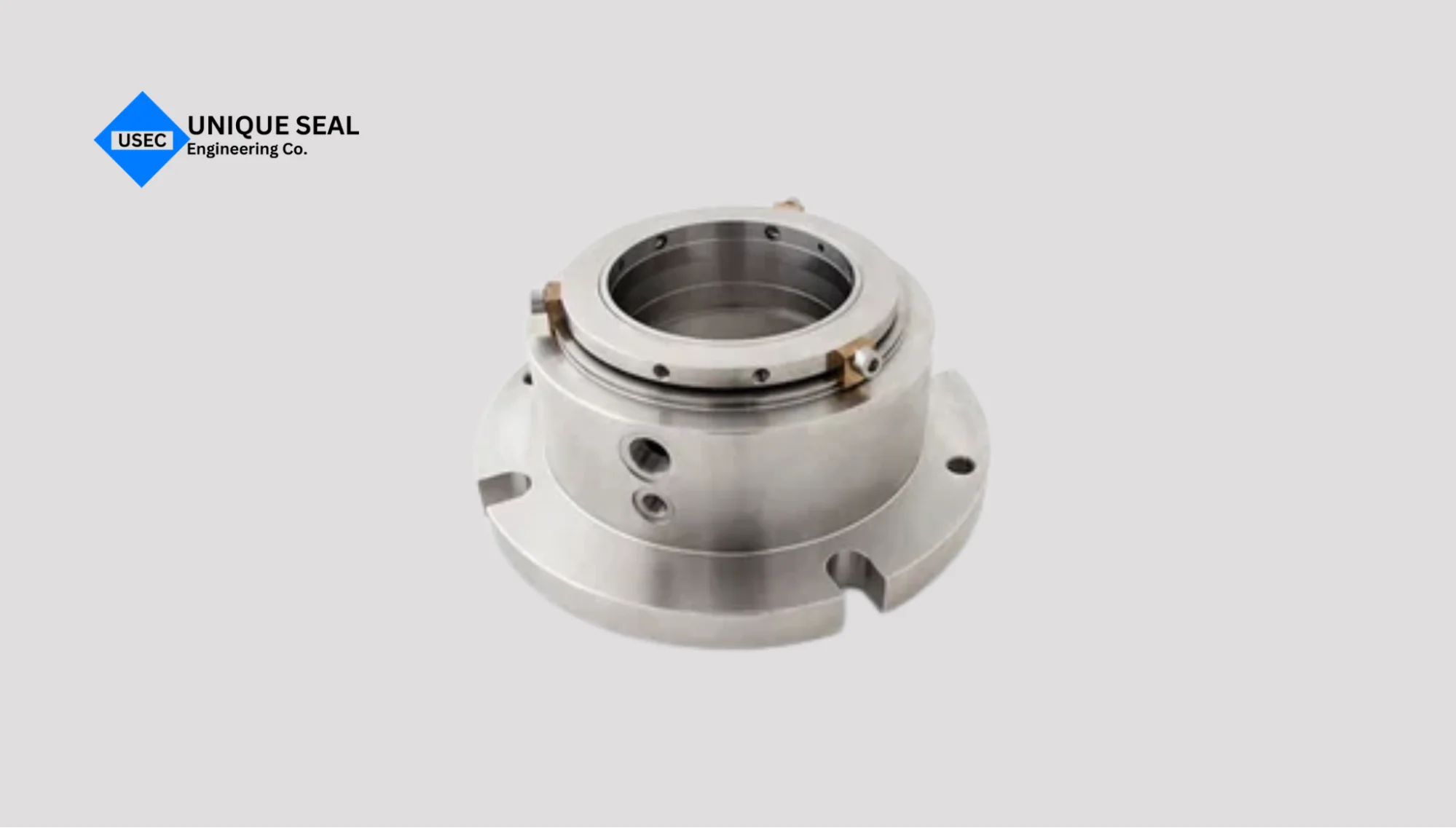
Labyrinth seals do not touch the rotating shaft directly. Instead, they create a zigzag path that makes it difficult for fluid to escape. They are strong, durable, and work well at high speeds. These seals are commonly found in turbines, compressors, and power plants.
Magnetic seals
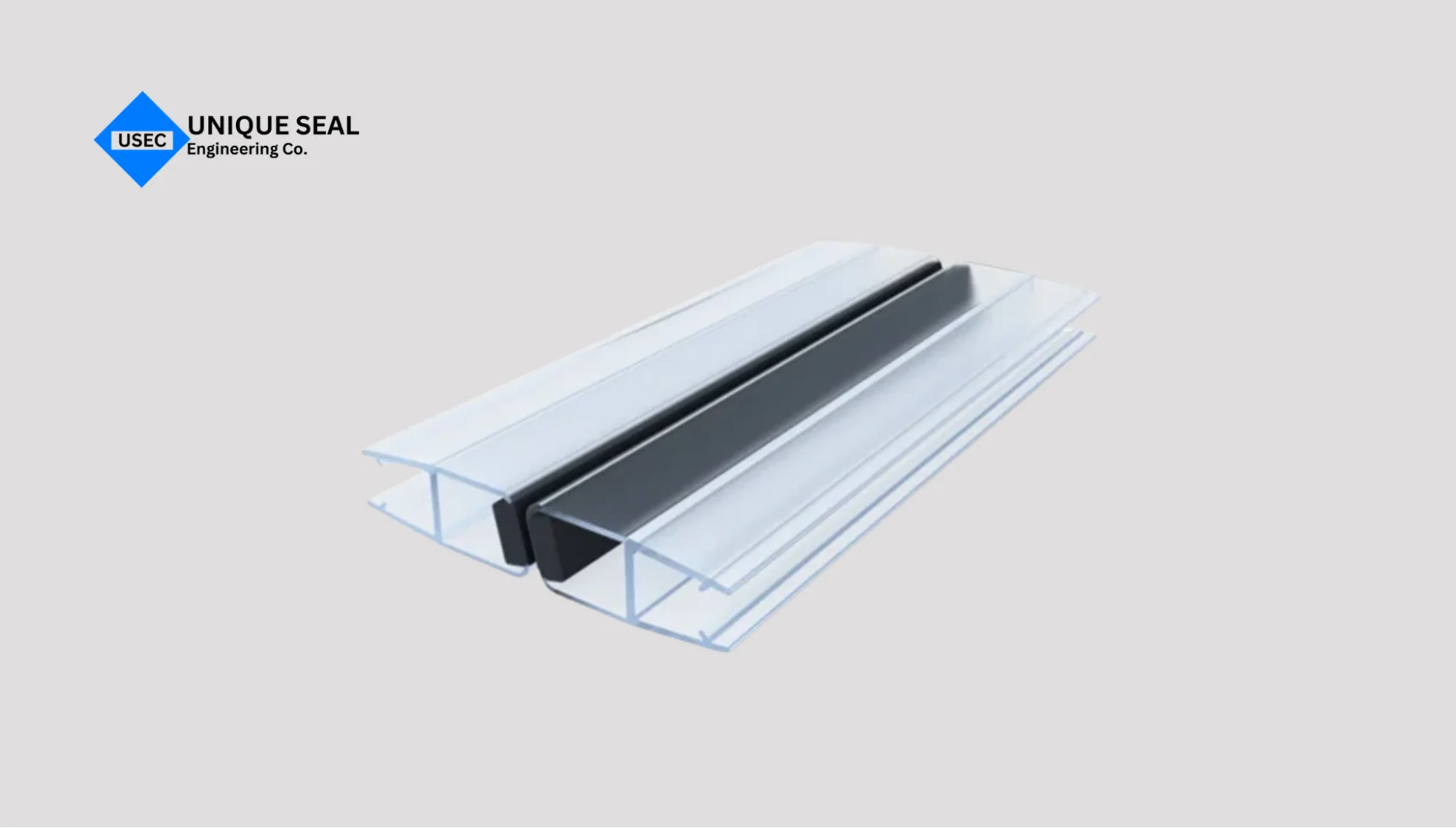
Magnetic seals use special magnetic liquid to create a seal around the rotating shaft. There is no direct contact between metal parts, which reduces wear and heat. These seals are mainly used in high-precision machines, vacuum systems, medical devices, and semiconductor industries where clean and leak-free operation is very important.
Slurry seals
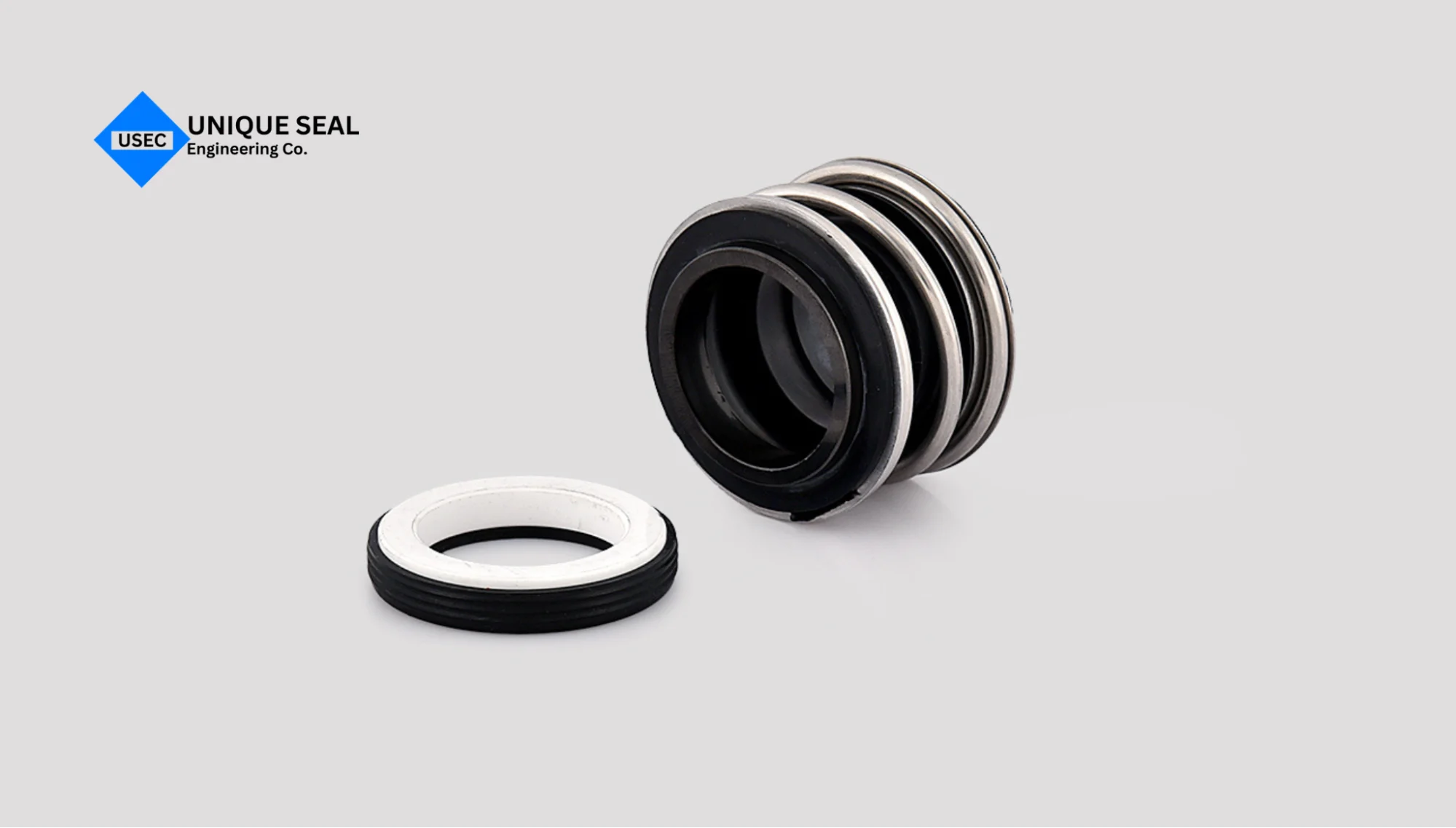
Slurry seals are made for thick liquids that contain sand, particles, or solid materials. These fluids can easily damage normal seals, so slurry seals are built strong and durable. They are commonly used in mining, cement plants, wastewater treatment, and paper industries.
Cryogenic seals
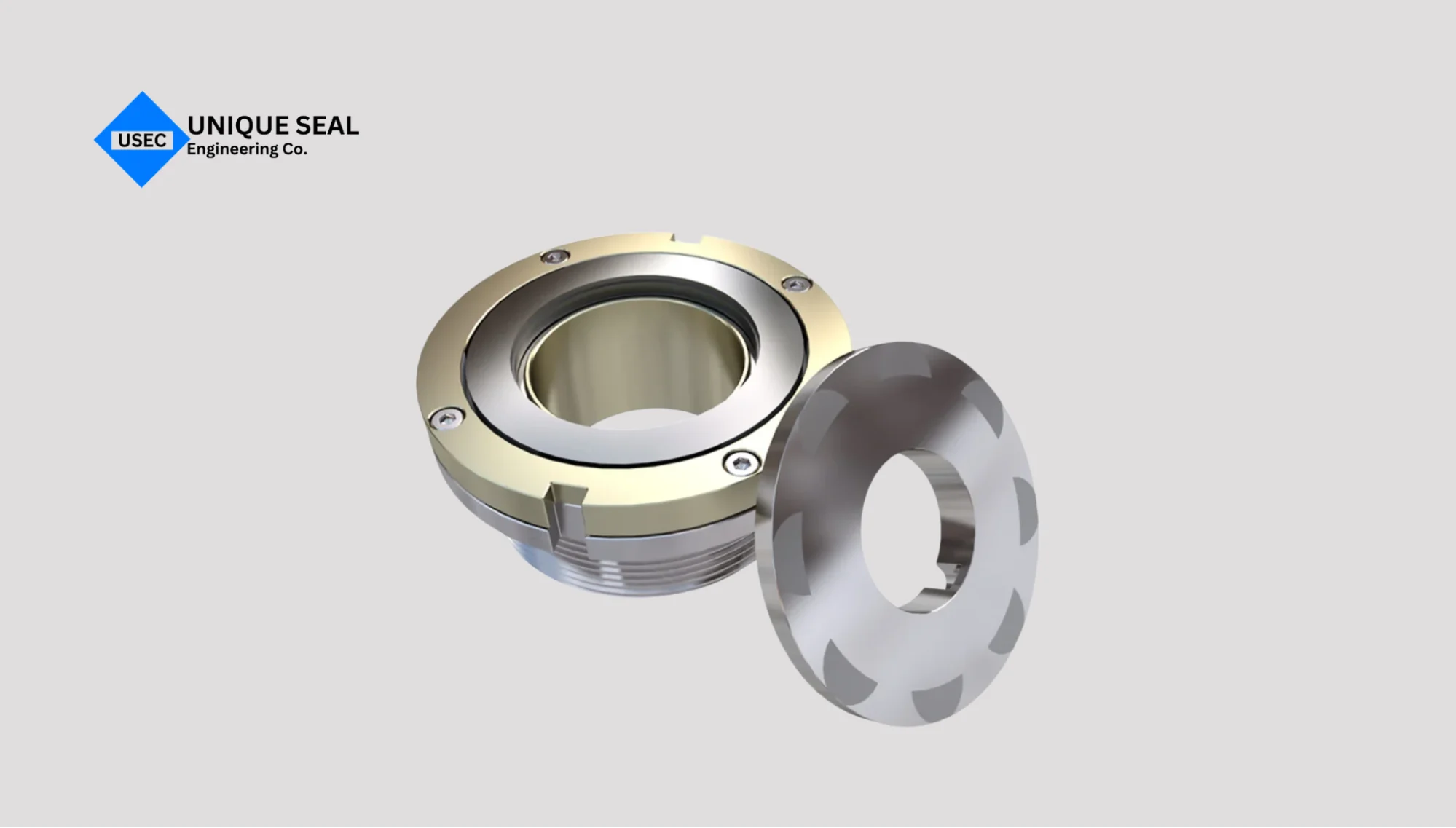
Cryogenic seals are designed to work in very low temperatures. They are used where liquids like LNG, liquid nitrogen, or liquid oxygen are handled. These seals are made with special materials that do not crack or shrink in extreme cold conditions.
Gas Barrier seals
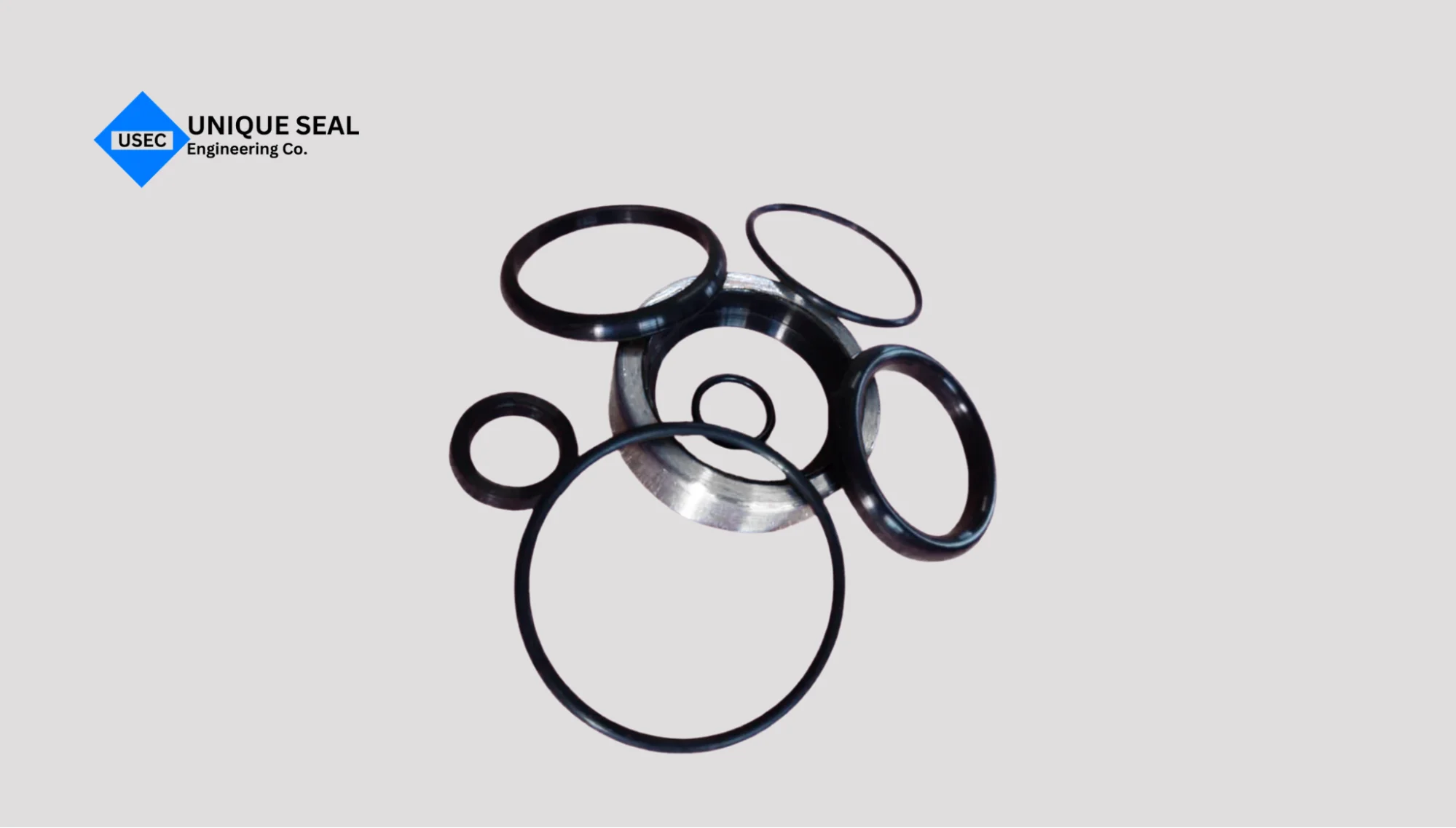
Gas barrier seals use pressurized gas, usually nitrogen, to protect the mechanical seal and prevent dangerous fluids from leaking. They are mainly used in chemical plants, refineries, and industries that handle toxic or flammable liquids.
Agitator seals
Experiencing Frequent Mechanical Seal Failures?
Recurrent seal leakage causes costly unplanned downtime, batch losses, and shaft fretting. Unique Seal Engineering Co. analyzes your exact operating parameters (shaft speed, fluid media, temperature, pressure) and provides custom face pairings and engineered seal recommendations.
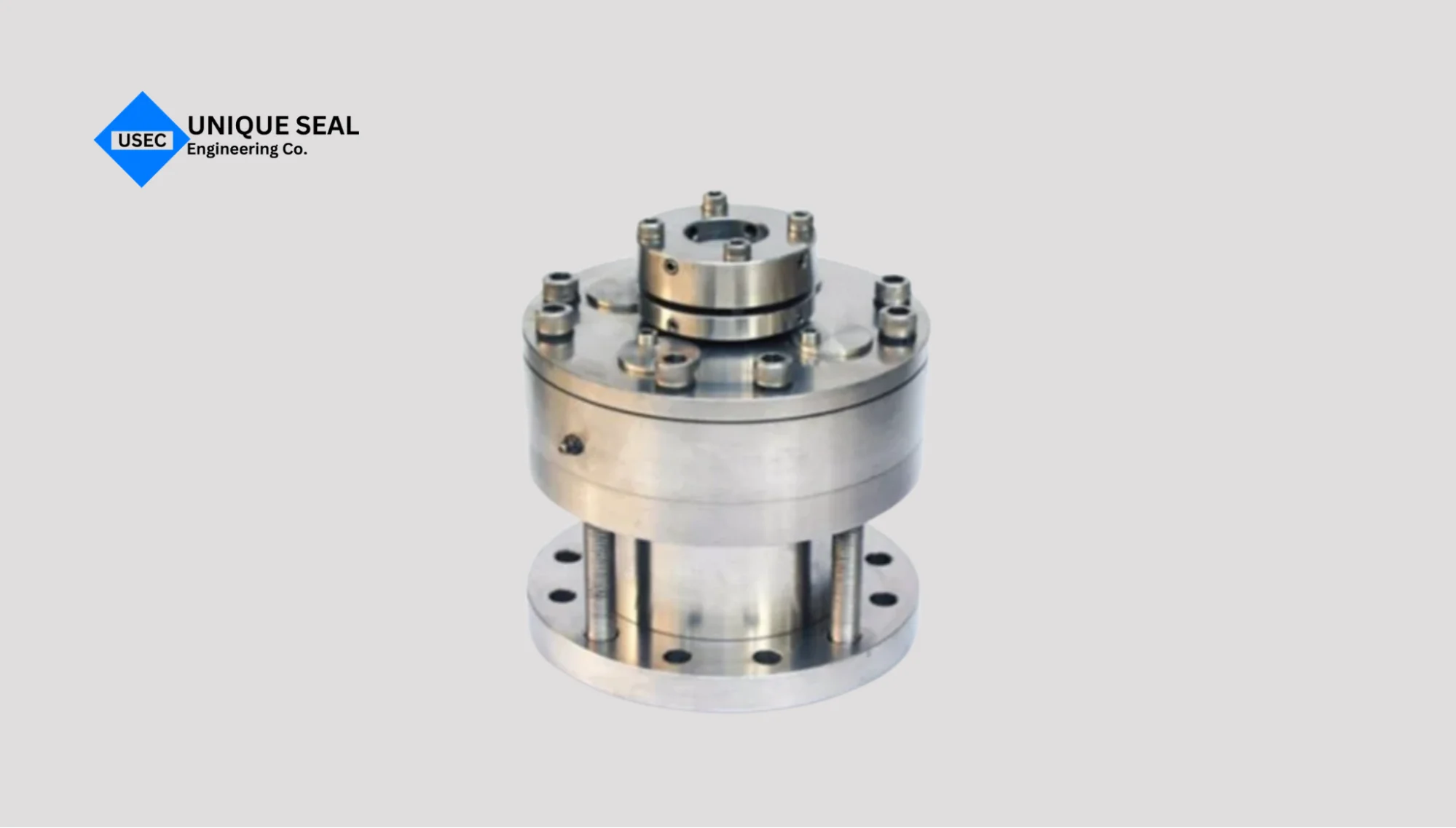
Agitator seals are specially made for mixers, reactors, and stirring machines. These machines do not rotate fast like pumps, but they still need strong sealing. These seals prevent leakage while handling chemicals, medicines, or food products in large tanks.
High-pressure seals
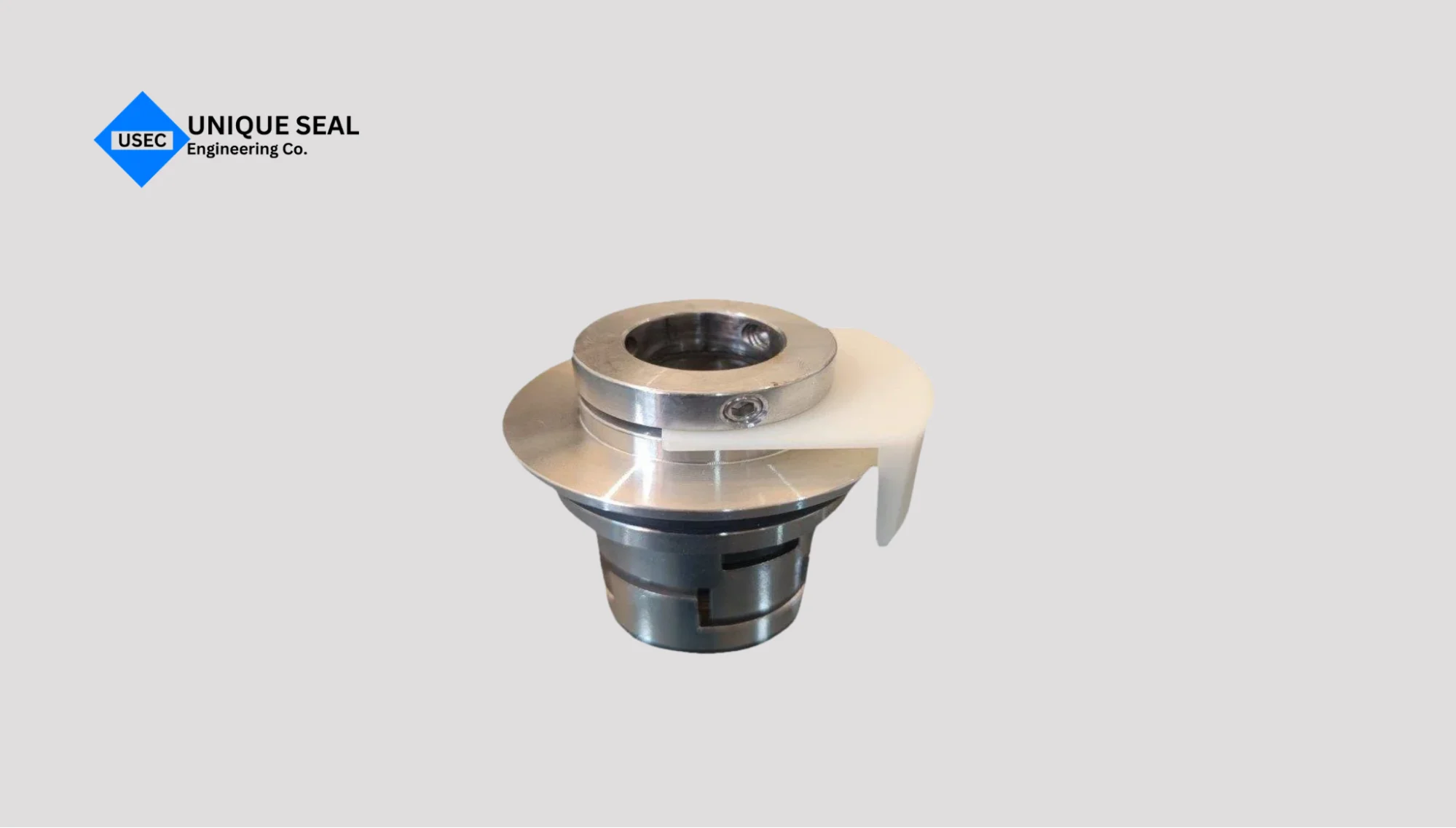
High-pressure seals are designed for machines that work under very high pressure. Normal seals may fail in such conditions, so these seals are built stronger and more stable. They are used in boiler feed pumps, high-pressure water pumps, and injection systems.
High-Temperature seals
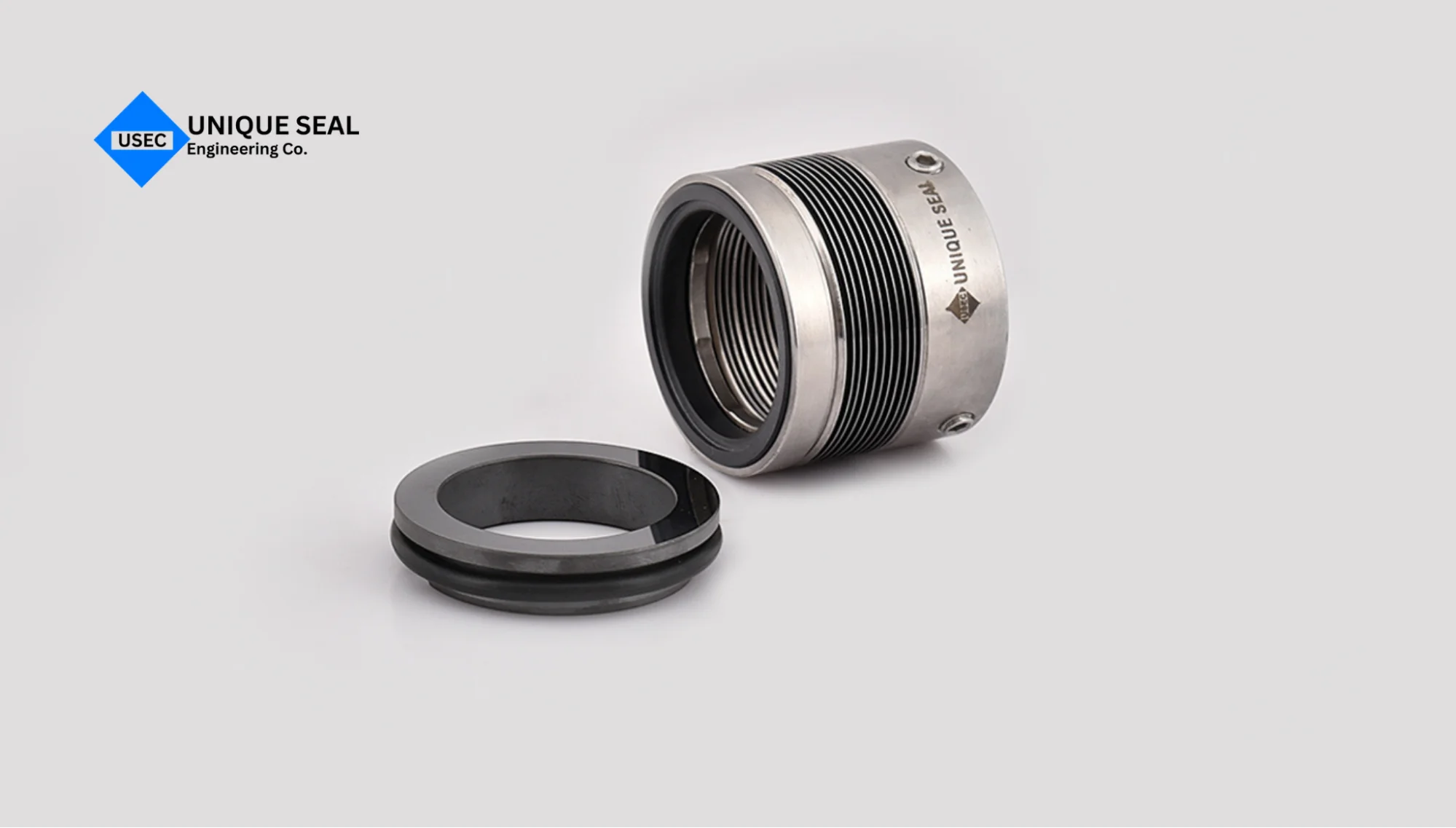
High-temperature seals are made for hot liquids like hot oil, steam, or heated chemicals. They use heat-resistant materials so they do not melt, deform, or fail at high temperatures. These seals are commonly used in power plants, refineries, and thermal processing industries.
How mechanical seals are designed and classified
In this section, we are not talking about different products. Instead, we are looking at how mechanical seals are designed and classified. These classifications help engineers select the right seal based on movement, pressure, and sealing arrangement inside a machine.
|
Type |
What it means |
Where it is used / Why it matters |
|
Pusher vs. Non-Pusher (Bellows) |
Pusher seals use springs that slide on the shaft. Bellows seals use a flexible part that moves without sliding. |
Pusher seals are common in normal pumps. Bellows seals are better for dirty or corrosive fluids. |
|
Elastomer Bellows Seals |
These seals use rubber-like flexible material. |
Used in water pumps, chemical pumps, and general industries because they are simple and flexible. |
|
Metal Bellows Seals |
These seals use thin, flexible metal instead of rubber. |
Used in high-temperature and chemical applications like refineries and petrochemical plants. |
|
Balanced vs. Unbalanced |
Unbalanced seals are simple but cannot take very high pressure. Balanced seals reduce pressure on seal faces. |
Unbalanced seals are used in low-pressure pumps. Balanced seals are used in high-pressure machines. |
|
Single vs. Double vs. Tandem |
Single has one sealing face. Double has two with barrier fluid. Tandem has two seals for extra safety. |
Single seals are common in normal pumps. Double seals are used for dangerous or costly fluids. Tandem seals are used when extra protection is needed. |
Selecting the right mechanical seal type
Mechanical seals come in many forms because real industrial conditions are never the same. The total number of mechanical seal types varies based on design, material, function, and application, yet each type exists for a clear engineering purpose. Every seal is developed to control leakage, protect rotating equipment, and improve long-term reliability in demanding environments.
From pusher and bellows designs to single, double, balanced, slurry, reactor, and rotary joint seals, each category is built to handle specific pressure levels, temperatures, and fluid characteristics encountered in modern industries.
Selecting the correct mechanical shaft seal type requires a clear understanding of operating pressure, temperature, fluid nature, shaft movement, and overall machine design. The right choice can significantly reduce unplanned downtime, lower maintenance costs, and extend equipment life.
At Unique Seal, we design and supply a wide range of mechanical seals, including specialized solutions for reactors, fermentors, and rotary joints using suitable face, seat, and elastomer materials. If you need technical guidance or a customized solution, connect with us today and get a quote.
Need a High-Reliability Replacement Mechanical Seal?
Unique Seal Engineering Co. manufactures Cartridge, Metal Bellows, PTFE Bellows, and Multi-Spring Seals with 100% optical flat inspection under monochromatic light at our Mohan Nagar, Ghaziabad facility. Get fast OEM-grade delivery across India and worldwide.
